The 2026 World Cup across the US, Canada, and Mexico is firmly in fifth gear. Back in Germany, the ARD telly executives are rubbing their hands together after the national side’s emphatic rout pulled in stellar ratings, but the real talk off the pitch right now centres around a familiar pantomime villain. Barely seven hours before Spain were due to kick off their campaign, Real Madrid dropped a bombshell: Marc Cucurella is heading to the Bernabéu. The European champions struck a deal with Chelsea to bring the full-back home on a contract running until the summer of 2032, a move widely reported by The Athletic and Fabrizio Romano before the official ink had even dried. For a cool €60 million fee, he’s back in La Liga. For German fans, the name alone brings a collective shudder, instantly dredging up bitter memories of the 2024 Euro quarter-final. That unpunished handball in the box remains a rather sore spot, made all the more frustrating when UEFA belatedly admitted the referee had dropped an absolute clanger.
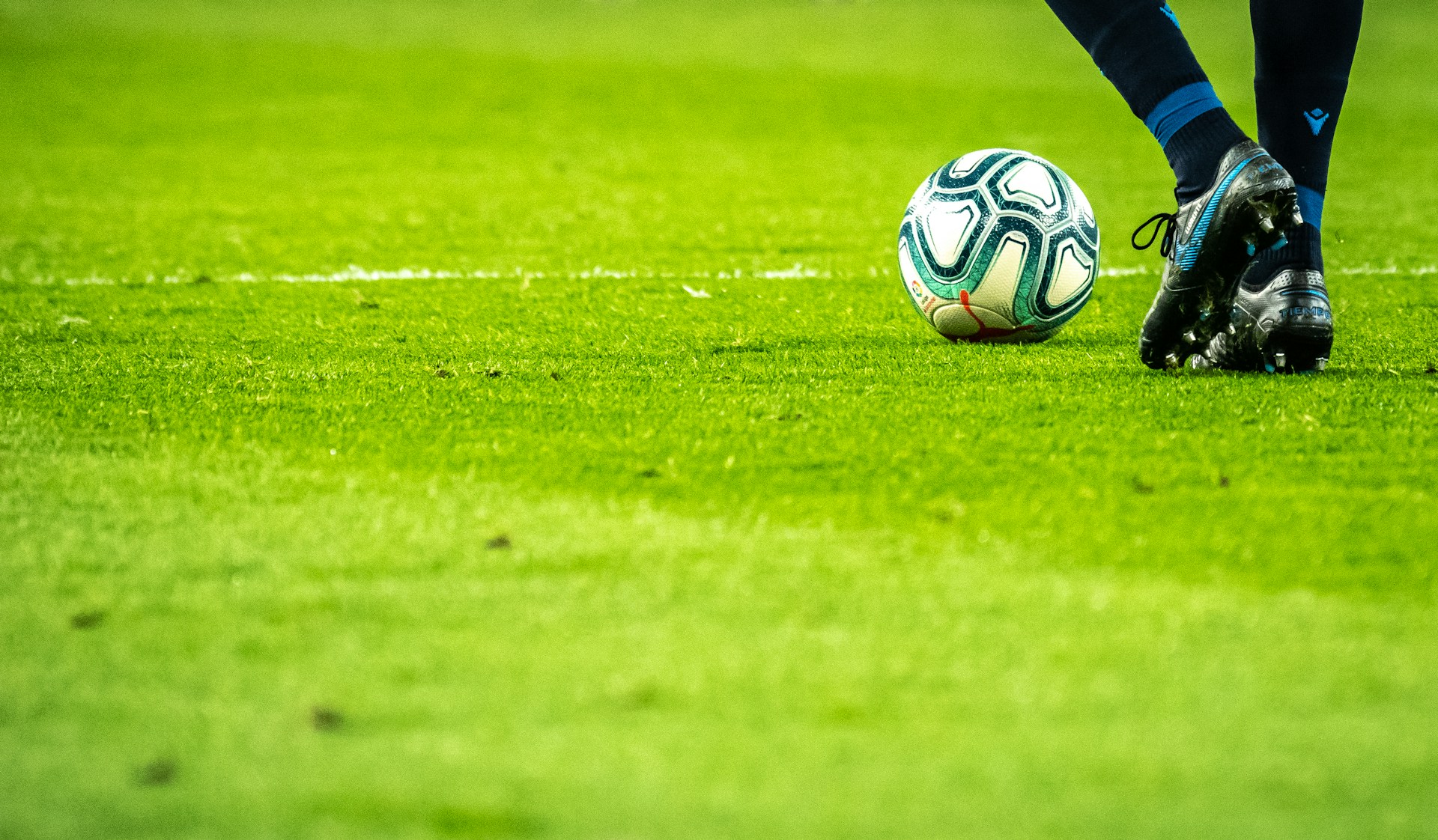
While human error defined Cucurella’s most infamous international moment, the officiating out in North America is leaning heavily into the digital age. Take Sweden’s chaotic clash against Tunisia in Monterrey. Mattias Svanberg, fresh off relegation with VfL Wolfsburg, found himself the unlikely beneficiary of the ‘Trionda’ – Adidas’s bespoke tournament ball sporting the blue, green, and red of the host nations. Subbed on in the 84th minute, Svanberg had the ball in the net a mere 18 seconds later. The flag immediately went up, and referee Yael Falcon Perez, consulting his linesman, chalked it off. A quick glance at the broadcast angle made it look like an open-and-shut case, with Svanberg appearing miles offside.
Then the VAR monitor beckoned. The Trionda, it turns out, is packed with serious hardware. Breaking from previous designs, a tiny 14-gram sensor sits right under the skin rather than dead in the centre. Counterweights tucked into the remaining three panels of the four-piece ball keep its flight true, but it’s the internal IMU tracking acceleration and spin at a blistering 500 Hertz that does the heavy lifting. This “Connected Ball Technology” fired a literal pulse reading to the VAR room, definitively proving that Alexander Isak had made a minute touch on the ball during the build-up. The data completely flipped the offside call, handing Svanberg his maiden World Cup goal.
The tech might have stolen the post-match analysis, but the emotional core of the 5-1 thrashing lay with Yasin Ayari. The 22-year-old Brighton prospect bagged a brace against the country of his father’s birth. When he opened the scoring just seven minutes in, Ayari kept his celebrations entirely muted out of respect. Yet football has a funny way of wearing down your composure. Deep into stoppage time, he unleashed an absolute screamer from distance to cap off the rout, and the stoic facade finally gave way to pure joy. Born in Solna to a Moroccan mother and a Tunisian father, it was a poignant, brilliant subplot to a game otherwise dominated by microchips.
Over in the Austrian camp, they’re relying less on silicon sensors and far more on the tactical grit of their gaffer. Austria couldn’t have scripted the build-up to their first World Cup appearance since 1998 any better. Just as the squad was gearing up for their Wednesday opener against Jordan, word broke that Ralf Rangnick has put pen to paper on a contract extension keeping him in the dugout until 2028. It’s an immaculate bit of timing, injecting a massive shot of adrenaline into a squad already riding a 28-year wave of euphoria. The Swabian tactician has utterly revitalised the Alpine republic since taking the reins in 2022. The numbers are frankly absurd: a points average of 1.98 per game puts him top of the pile for any Austrian manager with at least ten games under their belt since 1945. They’ve racked up 27 wins in 45 fixtures under his watch and turned their home turf into an absolute fortress, boasting a record-breaking 14-game unbeaten streak. Austria haven’t just turned up for the scenery; they’ve arrived in the Americas looking dangerously competent.